中文简体



Previous Post
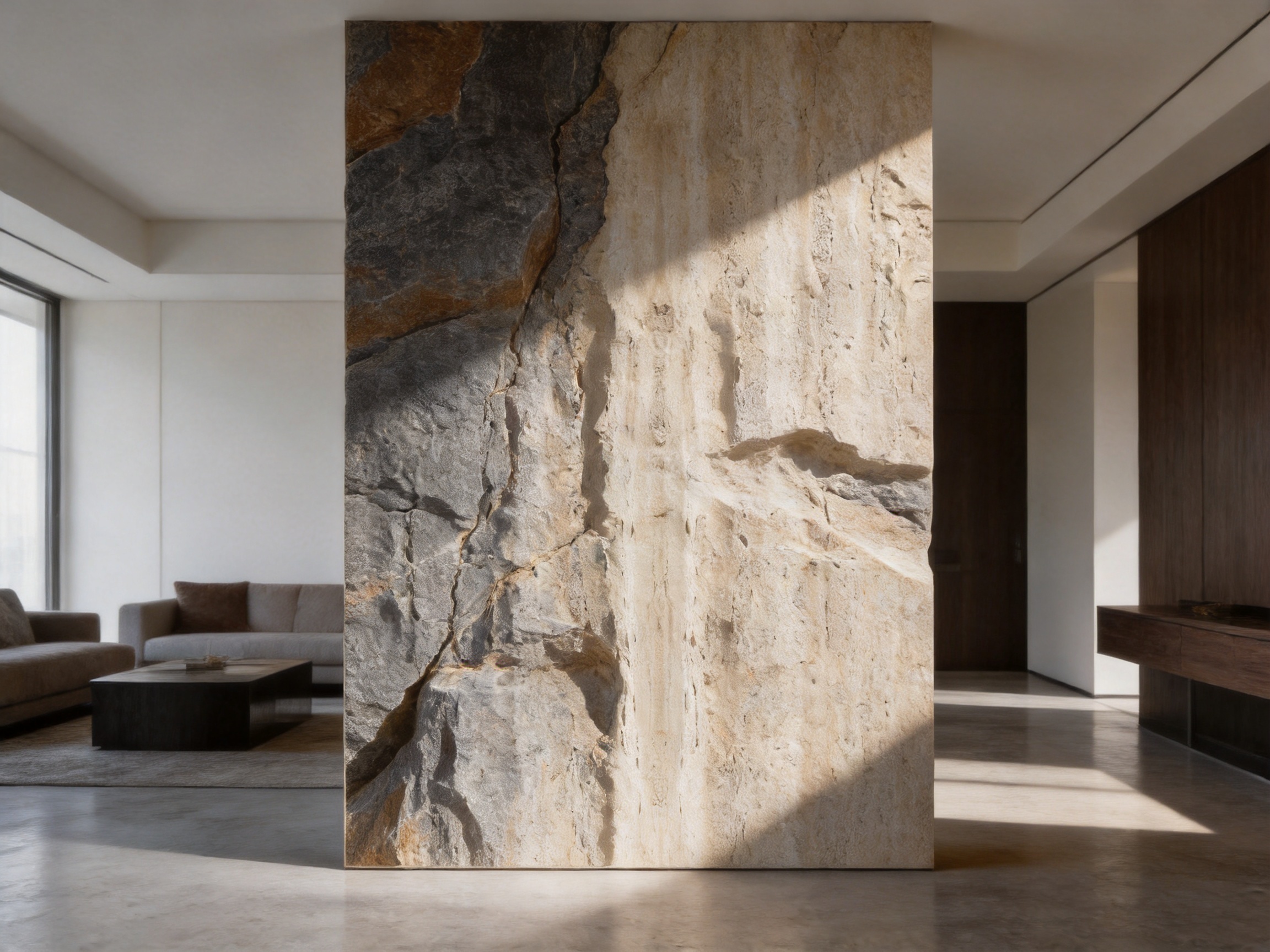
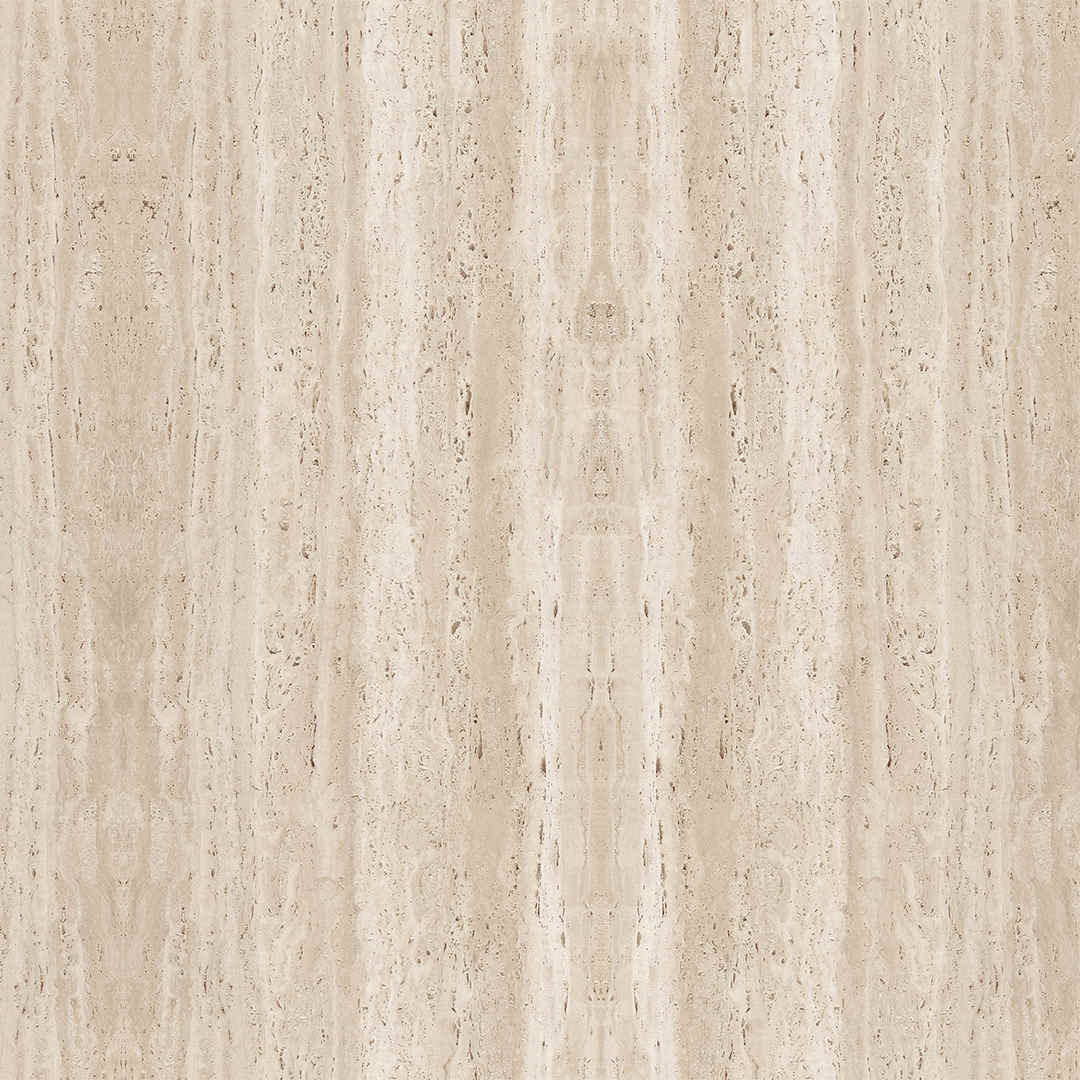
Rock-inspired surfaces have become an important direction in contemporary interior and exterior design. Architects, contractors, furniture manufacturers, and property developers increasingly seek materials that combine the visual character of natural stone with the practical advantages of engineered panels. The SZ06 Rock Pattern 3D Wall Panel is designed to meet this demand through a deeply textured melamine surface that recreates the irregular grain, tonal variation, and rugged appearance associated with natural rock.
Rather than relying on a flat printed image, this panel uses a three-dimensional decorative surface to create depth and tactile variation. The visual effect is intended to resemble naturally formed stone, including irregular cracks, mineral-like accents, uneven grains, and layered colour transitions. At the same time, the panel format is easier to cut, transport, process, and install than many solid natural rock products.
The product is part of a wider range of rock design melamine boards developed for decorative wall applications, feature walls, commercial interiors, residential spaces, hospitality projects, landscape design, and selected flooring or architectural applications. It may be supplied with different substrate options and thicknesses, allowing buyers to select a configuration according to structural, decorative, and project-specific requirements.
Natural Rock Character Reinterpreted Through Engineered Panel Technology
Natural rock is valued for its authenticity, strength, and distinctive appearance. However, natural stone and rock products can also involve considerable weight, inconsistent thickness, difficult handling, complex installation, and higher transportation requirements. The SZ06 panel approaches the same design language from an engineered-material perspective.
The surface design is inspired by the forms and textures of rocks found in nature. Instead of reproducing one perfectly regular pattern, the design principle emphasizes irregularity. The grain may vary in direction, scale, depth, and colour intensity. This variation helps the finished wall appear more organic and less repetitive than a conventional smooth decorative board.
Depending on the selected colour and production batch, the visual palette may range from deep grey and charcoal to lighter grey, warm brown, and mineral-inspired accent shades. These layered tones can support industrial, contemporary, rustic, hospitality, retail, and nature-oriented design schemes.
The 3D relief also changes as light moves across the panel. Direct lighting emphasizes the deeper areas of the texture, while grazing light creates stronger shadows along raised lines and recessed sections. This makes the panel suitable for feature walls where surface depth and visual drama are important parts of the design.
Construction and Product Composition
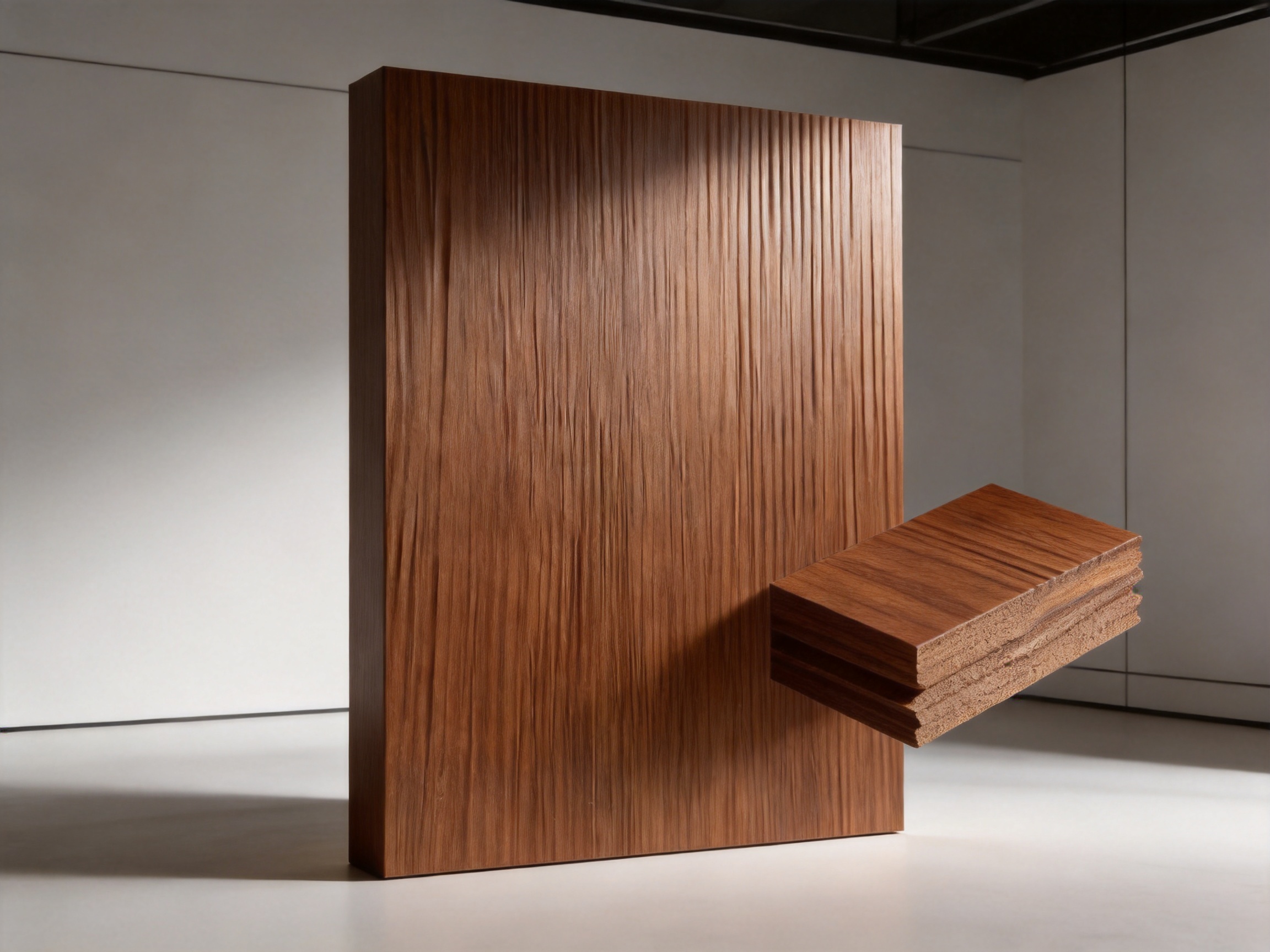
The product may be manufactured as a multi-layer composite panel. The principal components can include a supporting substrate, a reinforcing structure where required, and a decorative surface layer carrying the rock pattern. The precise construction depends on the selected specification, thickness, substrate, and intended application.
Common substrate choices in the product information include OSB, MDF, and particleboard. Each substrate offers different processing and performance characteristics. MDF generally provides a relatively uniform surface and is suitable for precision cutting and decorative applications. Particleboard can offer an economical and practical solution for many interior projects. OSB provides a visibly structural, strand-based panel construction and may be selected when its mechanical characteristics and appearance are appropriate.
The decorative surface is based on melamine technology. Melamine-faced panels are widely used in furniture, interior architecture, cabinetry, wall cladding, and other decorative applications because they can combine visual consistency with a practical, cleanable finish. In this product, the decorative concept is enhanced by deep embossing or three-dimensional pressing, allowing the surface to communicate more than colour alone.
Stone powder, resin, fibre reinforcement, decorative papers, and wood-based panel materials may be used in related engineered rock-texture constructions. The final material selection is controlled according to the required surface effect, substrate performance, manufacturing process, and environmental specification.
Advanced Surface Manufacturing Process
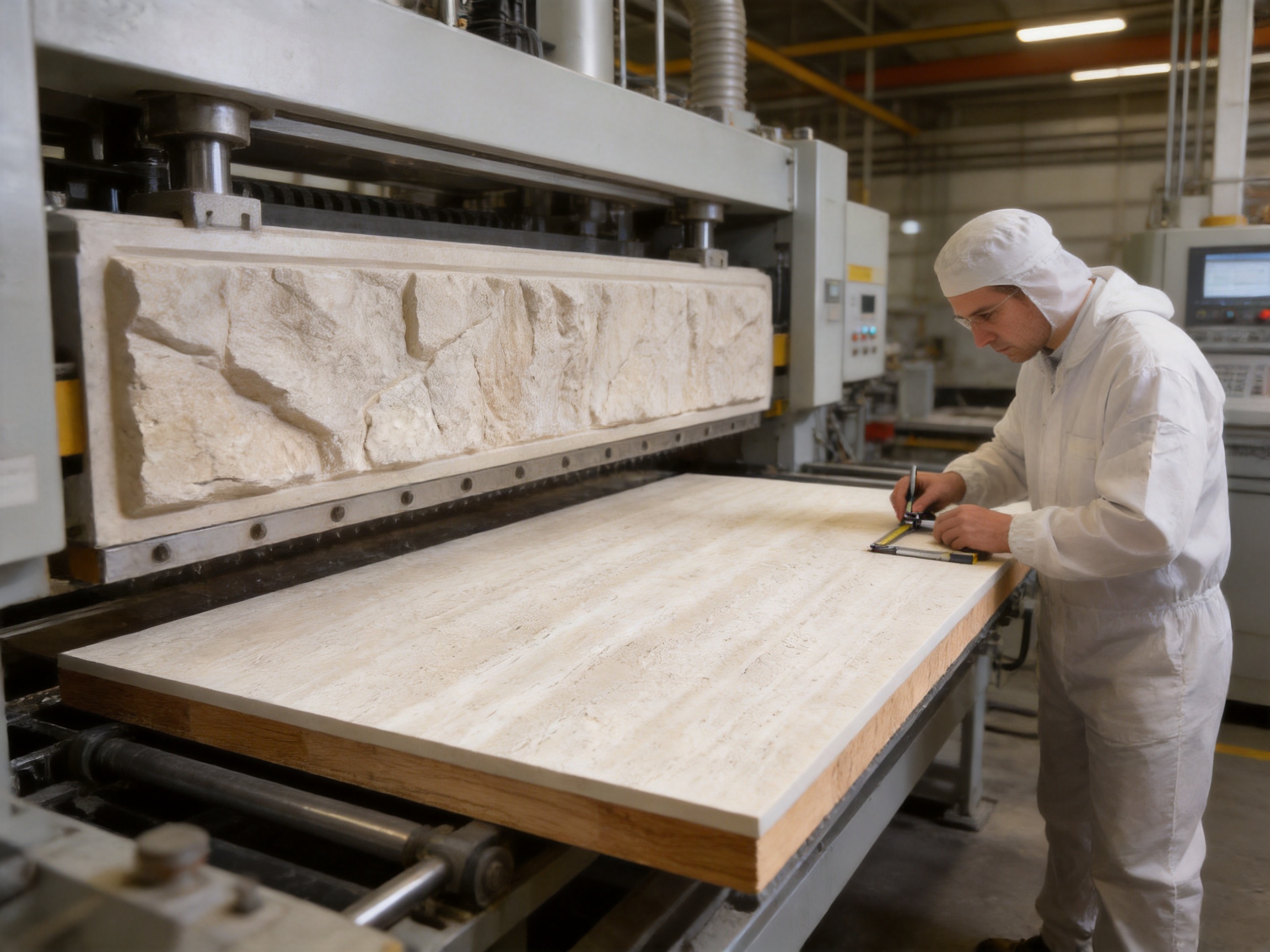
The production of a convincing rock texture depends on more than applying a printed image to a board. The relief must be accurately formed, the pattern must remain stable, and the decorative layer must bond reliably with the substrate. For this reason, the manufacturing process combines design development, precision tooling, controlled printing, pressing, bonding, and quality inspection.
High-Precision Pattern Development
The first stage is the development of a rock-inspired pattern. Designers study natural stone formations, including fissures, grains, mineral spots, sediment-like layers, and weathered surfaces. These characteristics are translated into a repeatable industrial pattern while retaining enough variation to avoid an artificial appearance.
Digital design tools can be used to control the scale, direction, density, and distribution of the visual elements. The pattern must be carefully adjusted so that it remains attractive when several panels are installed side by side. Excessive repetition can make a large wall look mechanical, while uncontrolled variation may make installation planning difficult. A balanced design provides continuity without eliminating the natural irregularity expected from rock.
Printing and Decorative Layer Control
High-precision printing techniques help reproduce the complex colour variation associated with natural rock. Printing can define the base tone, secondary shading, darker crevices, mineral-like highlights, and transitional areas. Accurate registration between the printed design and the embossed relief is important because the printed pattern should support the physical texture rather than appear disconnected from it.
Colour control is also important for commercial projects. Consistent production settings help maintain a stable appearance between panels and across different orders. At the same time, controlled tonal variation can be incorporated into the design to ensure that individual panels retain a natural visual character.
Die Casting, Moulding, and Three-Dimensional Forming
The rock surface may be formed using precision moulds, die pressing, or related three-dimensional forming technologies. The mould contains the negative relief of the intended surface, including raised ridges, recessed cracks, broad depressions, and fine grain details.
During forming, the material is pressed against the mould so that the relief is transferred to the decorative surface. The accuracy of the mould directly influences the final appearance. A well-designed mould can reproduce both large-scale geological forms and smaller surface details, creating a more convincing sense of depth.
Three-dimensional forming also allows designers to control the depth of the texture. A shallow embossing may be suitable for furniture or areas requiring frequent cleaning, while a deeper relief can create a stronger feature-wall effect. The available thickness options of the SZ06 product support different project requirements, although the relationship between panel thickness, surface relief, and installation method should always be confirmed before ordering.
Controlled Hot Pressing
Hot pressing is a central part of the manufacturing process. Temperature, pressure, and pressing time are regulated according to the substrate, decorative layer, resin system, thickness, and desired texture depth.
Heat softens or activates the relevant material components, allowing the decorative layer and substrate to conform to the mould or bond under controlled conditions. Pressure transfers the rock texture and supports a close, stable contact between the layers. Pressing time must be sufficient to form the relief and establish the required bond, but it must also be controlled to protect the substrate and maintain dimensional stability.
Inconsistent temperature or pressure can cause defects such as incomplete texture transfer, weak bonding, uneven colour, surface distortion, or dimensional variation. Precision process control is therefore essential for producing panels that are visually consistent and practical for installation.
Bonding and Structural Stability
YAKCO’s company information states that the manufacturer uses MDI medical adhesive bonding as part of its technology platform. MDI-based bonding systems are associated with engineered wood product manufacturing and can support strong adhesion when applied under appropriate production conditions. The precise adhesive formulation, application rate, curing conditions, and compliance documentation should be confirmed for each product specification and destination market.
Reliable bonding is especially important for deep-embossed panels. The surface is subjected to additional forming forces compared with a flat board, and the bond must help maintain the relationship between the decorative layer and the substrate. Stable construction contributes to clean machining, reduced risk of delamination, and long-term appearance retention under suitable indoor conditions.
Key Product Specifications
The listed standard product size is 2745 mm by 1220 mm. Several thickness options are available, including 9 mm, 12 mm, 18 mm, 22 mm, and 25 mm. The supplied product information also lists indicative prices of 36.5 USD, 40 USD, 46 USD, 51.6 USD, and 56 USD respectively. These figures should be treated as reference prices rather than final quotations because actual pricing may vary according to substrate, order quantity, finish, packaging, shipping terms, market, and production requirements.
| Item | Available or Listed Specification | Project Considerations |
|---|---|---|
| Product type | Rock pattern 3D melamine wall panel | Designed for textured decorative applications and feature surfaces |
| Standard length | 2745 mm | Provides broad vertical or horizontal coverage depending on the layout |
| Standard width | 1220 mm | Suitable for planning large wall areas with controlled joint placement |
| Thickness options | 9 mm, 12 mm, 18 mm, 22 mm, and 25 mm | Selection should consider installation method, wall condition, weight, and design depth |
| Substrate options | OSB, MDF, or particleboard | Choose according to machining, strength, finish, and project requirements |
| Environmental grade listed | P2/F4 | Documentation should be reviewed against the regulations of the target market |
| Typical visual effect | Irregular rock grain with layered colour and three-dimensional relief | Works particularly well with directional or grazing lighting |
The listed P2/F4 environmental classification provides a useful reference for buyers, but project teams should request current technical documents, test reports, and compliance declarations before specifying the product for a regulated construction project. Standards and classification systems can differ between countries, and the applicable requirements may depend on building type, room use, moisture exposure, fire regulations, and formaldehyde limits.
Advantages Compared with Conventional Decorative Panels
Greater Visual Depth Than Flat Printed Boards
A conventional decorative board may reproduce a stone image through a flat printed surface. Although high-resolution printing can be attractive, it does not create the shadows, highlights, and tactile variation of a physical relief. The SZ06 panel adds actual three-dimensional shaping to the decorative image, creating a stronger visual connection between the pattern and the surface.
This difference is particularly noticeable under directional lighting. Raised areas catch the light while recessed areas create shadow. The result can make a wall feel more architectural and substantial without requiring heavy stone cladding or complex masonry work.
Lower Weight Than Many Natural Rock Products
Natural rock and solid stone can be difficult to move and install because of their weight. A wood-based engineered panel is generally easier for workers to handle, position, cut, and fix. Lower handling demands may simplify transportation within a building and reduce the need for specialized lifting equipment.
Weight savings can also be important in renovation projects, upper-floor installations, retail refits, and spaces where the existing structure has limited capacity. However, structural calculations and installation assessments remain necessary for every project. The final installed weight depends on substrate, thickness, framing, adhesive, fasteners, trims, and any additional backing system.
More Efficient Cutting and Processing
Compared with many natural stone products, wood-based panels can be processed using common woodworking equipment when the correct blades, dust extraction, and safety procedures are used. Panels can be cut to accommodate doors, electrical outlets, service openings, corners, columns, and irregular wall dimensions.
Machining efficiency can reduce on-site adjustment time. It may also help contractors coordinate wall cladding with lighting, signage, shelving, display systems, and interior joinery. The exact cutting method should be selected according to the substrate and the depth of the embossed surface.
Consistent Panel Format
Natural rock varies in thickness, colour, density, and shape. That variation can be desirable aesthetically, but it may create challenges during design coordination and installation. The SZ06 panel is produced in a controlled rectangular format, making it easier to prepare drawings, calculate quantities, plan joints, and coordinate with standard wall construction.
Consistent panel sizing can also support faster installation and more predictable material usage. Designers can choose whether to emphasize visible joints, create a continuous appearance, or combine the rock panels with smooth boards, timber surfaces, metal trims, glass, or painted walls.
Design Flexibility Across Different Interiors
The rock pattern can support many different design directions. In a hotel lobby, it can form a dramatic reception backdrop. In a restaurant, it can provide a warm, rugged wall finish behind a bar or dining area. In a retail store, it can help establish a premium, natural, or outdoor-inspired brand environment. In a home, it can be used behind a television, bed, staircase, entrance console, or fireplace feature.
Because the pattern is engineered, it can be applied repeatedly across a project while maintaining a coordinated visual language. The material can also be combined with different colours, lighting temperatures, furniture finishes, and architectural details.
Advantages Compared with Ordinary Flat Melamine Boards
Flat melamine boards remain useful for cabinetry, furniture, partitions, and general wall applications, but they do not provide the same relief and tactile character as a deep-embossed product. The SZ06 panel is intended for situations in which surface texture is a central part of the design brief.
The deeper pattern can reduce the visual flatness of a large wall. It gives the surface a stronger presence and can make a relatively simple architectural element appear more developed. When used selectively, a textured wall can become a focal point without requiring multiple layers of decorative objects.
Another advantage is the ability to use lighting as part of the material design. Flat boards primarily reflect light according to their colour and gloss level. A relief panel interacts with light through its geometry. This allows the same surface to appear different during the day, under general ceiling lighting, or under carefully positioned wall washers.
At the same time, the selection of a deeply textured panel should be based on practical requirements. Highly detailed surfaces may require more attention during cleaning, cutting, edge finishing, and joint planning. The strongest results occur when the texture depth is matched to the scale of the wall, viewing distance, lighting, and maintenance plan.
Company Manufacturing Strengths
YAKCO New Materials (Jiangsu) Co., Ltd. was established in 2007 and operates from a site covering approximately 50 acres. The company information states that the manufacturer has a modern standard factory building of more than 30,000 square meters. This scale provides a foundation for organized production, material storage, equipment deployment, quality management, and large-order coordination.
The company specializes in high-end decorative panels and wall panels for residential and commercial spaces. Its product development focus includes three-dimensional decorative panel technology and deep-pressing processes. These capabilities are directly relevant to the SZ06 panel because a convincing rock surface requires coordinated control of design, moulds, printing, pressing, bonding, and substrate preparation.
The company describes six core production processes. While the exact sequence may vary according to product type, a coordinated multi-stage process can help manage surface quality from raw material preparation through final inspection. Standardized procedures are especially important for deep-relief panels, where minor deviations in temperature, pressure, alignment, or material moisture can affect the final appearance.
YAKCO also reports a focus on improved depth, layering, texture, stability, easy cutting, deformation resistance, and environmental performance. These characteristics address several common concerns in decorative panel procurement. Buyers generally require a strong appearance, reliable processing, predictable installation, and documentation that supports the intended use.
The YAKCO brand was established in 2016, building on the company’s earlier manufacturing experience. Its stated objective is to provide high-quality building materials for residential and commercial spaces. For distributors and project buyers, this combination of manufacturing history, dedicated production facilities, and specialized 3D panel development can provide a useful basis for long-term supply cooperation.
Process Control and Quality Considerations
Quality in a three-dimensional decorative panel should be assessed at several levels. Visual inspection should examine colour consistency, registration between print and embossing, relief definition, edge quality, surface contamination, and the presence of cracks or bubbles. Dimensional inspection should verify length, width, thickness, squareness, and any permitted tolerance.
Bonding quality is also important. A panel may look attractive when new but perform poorly if the decorative layer separates from the substrate during cutting, handling, or service. Adhesion testing, internal production controls, and appropriate packaging help reduce these risks.
Substrate moisture and storage conditions can influence the performance of wood-based panels. Panels should normally be stored flat, protected from direct water exposure, and allowed to reach suitable environmental equilibrium before installation. The supplier’s technical recommendations should govern acclimatization time, stacking method, edge protection, and site conditions.
For large commercial projects, buyers may request pre-production samples, approval samples, batch references, inspection records, packaging specifications, and replacement policies. It is also useful to review a full-size sample rather than relying only on a small colour chip, because the perceived texture and joint appearance can change significantly at architectural scale.
Interior Applications
Hotel Lobbies and Reception Areas
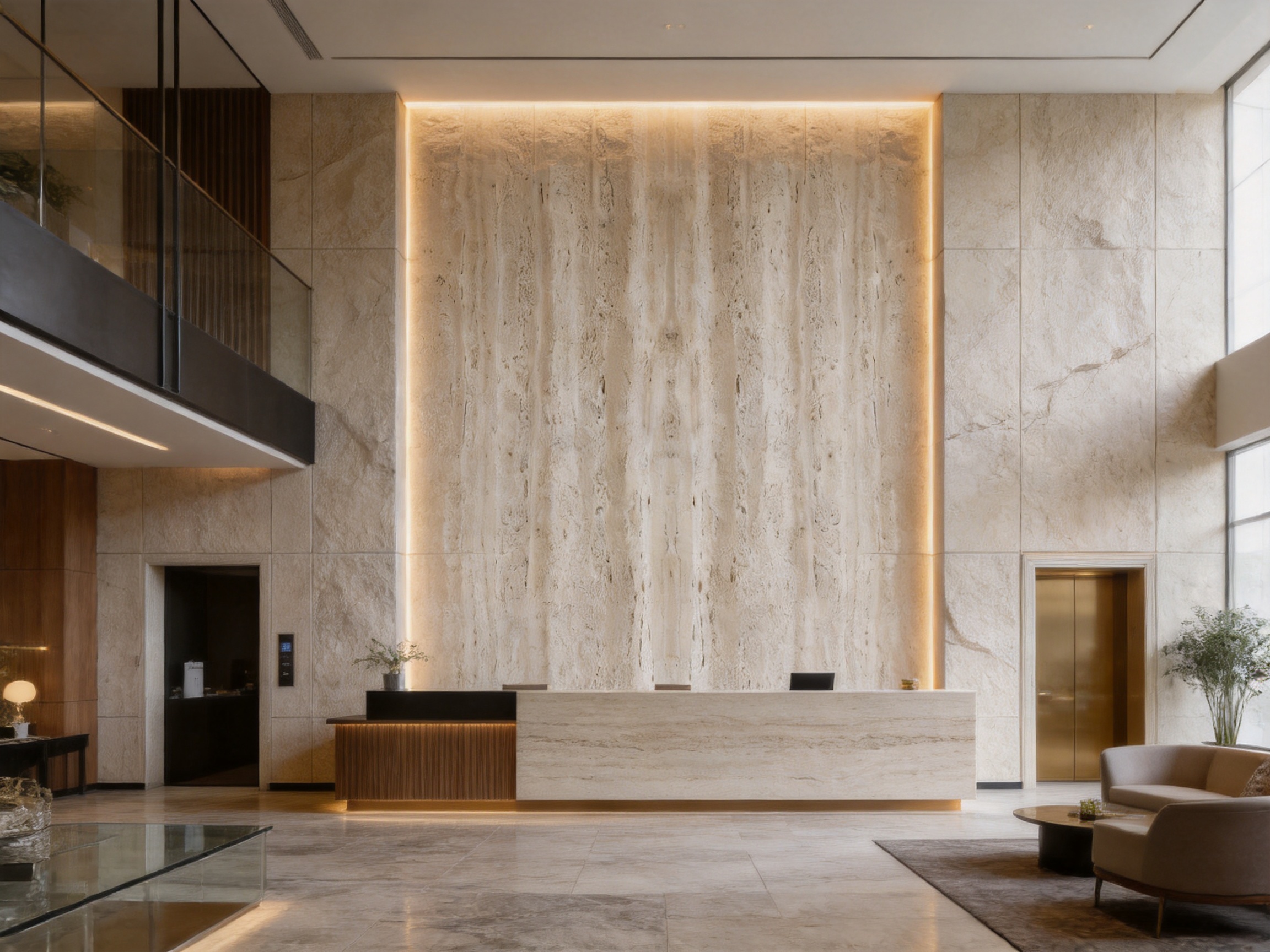
Hotel entrances and reception areas often require a material that creates an immediate impression. A rock-pattern wall can communicate stability, natural character, and premium design. Used behind a reception desk or along a main circulation route, the SZ06 panel can provide a textured background for signage, lighting, artwork, or metal detailing.
In hospitality spaces, the panel should be coordinated with fire safety requirements, cleaning procedures, impact exposure, and the expected level of public contact. Edges and corners may require durable trims or protective detailing, especially in busy entrances.
Restaurants, Cafés, and Bars
Rock-inspired walls can support restaurant themes ranging from modern industrial to warm rustic. The surface may be used behind a bar, along a dining wall, near a stair, or as a backdrop for branded graphics. Warm lighting can emphasize brown and mineral tones, while cooler lighting can strengthen grey and charcoal visual effects.
Food service environments require careful consideration of grease, moisture, cleaning chemicals, and local hygiene rules. The panel is best used in locations where its surface can be maintained according to the manufacturer’s recommendations and where direct exposure to water or high heat is controlled.
Retail and Exhibition Interiors
Retail stores and showrooms use feature surfaces to guide customer attention and support brand identity. The rock texture can be paired with product shelving, illuminated niches, display plinths, and natural materials. Because the panel can be cut to accommodate service openings, it may be integrated into a coordinated display system.
Temporary exhibition construction may also benefit from a lightweight decorative alternative to stone. The chosen thickness, fixing system, and transport method should be adapted to the expected duration and frequency of reuse.
Residential Feature Walls
In homes, the product may be applied to living-room television walls, entrance areas, bedroom headboards, staircases, studies, and dining spaces. It can create a focal zone while allowing the remaining walls to remain simple and visually quiet.
The texture should be selected according to room size and viewing distance. A very deep pattern may dominate a small room, while a broad wall in a large open-plan space may benefit from stronger relief. Concealed lighting, vertical wall washers, and linear LED details can be used to reveal the three-dimensional surface.
Office and Commercial Workspaces
Corporate reception areas, meeting rooms, executive offices, and shared amenity spaces can use rock-pattern panels to provide a more distinctive alternative to painted drywall. The material may be combined with acoustic products, timber slats, glass partitions, and metal frames.
When used in offices, designers should consider reverberation and acoustic performance. A textured visual surface does not automatically function as an acoustic absorber. If sound control is required, the panel should be integrated with an appropriate acoustic backing or used alongside dedicated acoustic materials.
Exterior and Semi-Exterior Possibilities
The product information describes possible indoor and outdoor applications and notes good weather resistance and durability as product advantages. However, exterior use must be evaluated carefully because wood-based panels and melamine surfaces can be affected by rain, humidity, ultraviolet exposure, temperature variation, and repeated wetting and drying.
For exterior walls, buyers should confirm that the exact substrate, surface finish, edge treatment, adhesive system, fasteners, ventilation, flashing, and protective coating are approved for outdoor service. A product suitable for covered exterior use may not be suitable for fully exposed façades. Local building regulations and the manufacturer’s technical documentation should always control the final specification.
Potential semi-exterior applications may include sheltered entrances, covered courtyards, protected balconies, landscape structures, and architectural screens, provided that the environmental conditions fall within the product’s tested performance range. Correct detailing around edges, joints, penetrations, and drainage paths is essential.
Installation Planning
A successful installation begins with accurate site measurement. The wall should be checked for flatness, moisture, structural condition, and the presence of pipes, cables, outlets, doors, windows, and other obstructions. A panel layout should identify the starting point, visible joints, cut pieces, corner conditions, and areas requiring access panels.
Depending on the substrate and wall condition, installation may use adhesive, mechanical fasteners, a batten system, a metal subframe, or a combination of methods. The fixing system must be selected according to panel weight, wall material, expected movement, fire requirements, and whether the installation is permanent or demountable.
Panels should be handled carefully to protect corners, embossed faces, and edges. Cutting should be performed with suitable tools and dust extraction. The installer should avoid placing excessive pressure on a small raised area, as concentrated force may damage the relief or substrate.
Joint design has a major influence on the finished appearance. Panels may be installed with narrow shadow gaps, matching joints, contrasting trims, or concealed connections. A dry layout on the floor can help determine how the rock pattern flows across the wall and whether adjacent panels create an acceptable visual transition.
Where panels meet floors, ceilings, doors, windows, or other materials, movement and tolerance gaps may be required. These gaps can be finished with profiles, sealants, shadow lines, or architectural trims. The correct detail depends on the wall system and environmental conditions.
Maintenance and Service Life
Routine maintenance generally begins with removing dust using a soft cloth, brush, or suitable vacuum attachment. Any cleaning solution should be tested in an inconspicuous area before wider use. Excessive water, abrasive pads, harsh solvents, and aggressive scrubbing should be avoided unless specifically approved by the supplier.
The deep relief can collect more dust than a smooth panel, particularly in recessed areas. Regular light cleaning is therefore preferable to allowing heavy deposits to accumulate. In commercial environments, the maintenance schedule should account for traffic, airborne particles, cooking residues, and contact with luggage, furniture, or merchandise.
Long-term performance depends on correct specification and installation. The panel should be protected from prolonged uncontrolled moisture, direct sources of intense heat, and conditions outside the tested service range. Edges and cutouts deserve particular attention because exposed substrate areas may be more vulnerable than the finished face.
Sustainability and Environmental Considerations
Engineered decorative panels can offer material-efficiency advantages when compared with thick solid rock products, especially where the visual effect is required primarily on a surface rather than as a structural mass. Lower weight can reduce handling and transportation demands, while standardized panel production can support more predictable material planning.
The environmental performance of a panel should not be judged only by appearance or by a general product category. Buyers should request information on substrate composition, recycled content where applicable, adhesive chemistry, formaldehyde emissions, production waste management, packaging, durability, and end-of-life options.
The listed environmental grade is P2/F4. Because environmental classifications differ between jurisdictions, the purchaser should obtain current certificates and compare them with the project’s specification. The company states that its products are designed to meet the international ENF formaldehyde standard, but project teams should verify the exact test documentation for the SZ06 product, selected substrate, and production batch.
Durability is also an environmental consideration. A decorative product that retains its appearance for a long service period may reduce the frequency of replacement and refurbishment. Appropriate cleaning, protection, and repair procedures can further extend useful life.
How the Product Compares with Other Rock-Look Materials
Natural stone provides genuine geological variation and can have exceptional durability, but it is often heavier, more expensive to transport, and more demanding to install. Stone veneer can reduce weight compared with solid blocks, yet it may still require specialized fixing systems, careful substrate preparation, and additional joint work.
Ceramic and porcelain tiles can provide excellent moisture resistance and a convincing stone appearance. However, they involve grout joints, hard cutting requirements, and a comparatively rigid installation system. They may also produce a cooler or more tiled visual language than a deep-pressed wood-based panel.
Flexible polymer or PVC stone-effect sheets can be lightweight and easy to cut, but their tactile quality, fire performance, environmental profile, and long-term stability vary widely by product. A melamine-faced engineered panel offers a different balance of rigidity, machining performance, furniture-industry familiarity, and architectural scale.
Flat wood-grain panels are warm and versatile, but they do not reproduce the same geological character. The SZ06 panel occupies a distinctive position by combining a wood-based substrate with a rock-inspired decorative surface and three-dimensional embossing.
Design Recommendations for Architects and Specifiers
Use the panel as a feature material rather than covering every surface automatically. A controlled area can create stronger contrast and make the texture more visually valuable. Pairing it with smooth painted walls, timber, metal, glass, or fabric can prevent the space from becoming visually overloaded.
Consider lighting during the earliest design stage. Wall washers, concealed linear lighting, spotlights, and side lighting can reveal the relief, while uniform frontal lighting may reduce the apparent depth. The direction and colour temperature of the lighting should be tested with a full-size sample.
Plan panel joints as part of the architectural composition. The joint rhythm can be aligned with doors, windows, furniture, floor patterns, ceiling modules, or lighting lines. Poorly planned joints may interrupt the visual flow of the rock pattern.
Request samples that show both the face and the edge. The face demonstrates colour and texture, while the edge helps the design team evaluate thickness, trimming, corner treatment, and transitions to adjacent materials.
Specify the substrate rather than treating all versions as interchangeable. MDF, particleboard, and OSB can differ in density, screw-holding performance, moisture response, weight, machining behaviour, and edge appearance. The selected substrate should be matched to the fixing method and final application.
Procurement Guidance for Distributors and Project Buyers
Before placing a production order, buyers should confirm the product code, panel size, thickness, substrate, surface finish, colour, embossing depth, environmental classification, packaging method, minimum order quantity, production lead time, and delivery terms.
It is advisable to approve a reference sample before mass production. The sample should be large enough to evaluate colour variation, texture scale, relief depth, edge quality, and the relationship between adjacent panels. For projects with strict colour control, a signed approval sample can help establish a common quality reference.
Buyers should also clarify whether the listed prices include packaging, domestic transport, export documentation, taxes, insurance, or shipping. The reference prices provided for the different thicknesses are not a substitute for a formal quotation.
For international projects, documentation may include product technical data, safety information, formaldehyde test results, substrate details, fire test results where applicable, packing lists, certificates of origin, and installation guidance. Requirements vary by country and project type.
Frequently Asked Questions
What is the SZ06 Rock Pattern 3D Wall Panel?
It is a three-dimensional melamine decorative panel designed to reproduce the irregular visual character of natural rock. The panel combines a wood-based substrate option, a printed or decorative surface, and a pressed relief that creates depth and tactile texture.
What sizes and thicknesses are listed?
The listed standard size is 2745 mm by 1220 mm. Available thicknesses include 9 mm, 12 mm, 18 mm, 22 mm, and 25 mm. Availability should be confirmed for the selected substrate, colour, finish, and order quantity.
Which substrates can be used?
The supplied information lists OSB, MDF, and particleboard. The best option depends on the required machining performance, weight, screw-holding characteristics, moisture conditions, installation system, and budget.
Is the panel suitable for outdoor use?
The product information identifies indoor and outdoor decoration as possible applications and mentions weather resistance. Nevertheless, outdoor use must be confirmed for the exact specification. Fully exposed façades, wet areas, and high-humidity locations require specific technical approval and suitable edge, joint, and drainage detailing.
How does it compare with natural rock?
The panel is generally lighter and easier to cut and install than solid natural rock. It also offers a controlled rectangular format and repeatable manufacturing. Natural rock may provide greater inherent resistance in certain exterior or heavy-duty applications, so the appropriate choice depends on the environment, structural requirements, maintenance plan, and desired appearance.
Can the panels be cut on site?
Wood-based versions can generally be processed with suitable woodworking tools, but the correct blade, dust extraction, protective equipment, and cutting procedure should be used. The manufacturer’s installation guidance should be followed, particularly for deep-embossed faces and finished edges.
How should the panels be cleaned?
Routine cleaning can normally begin with a soft cloth, soft brush, or suitable vacuum attachment. Cleaning agents should be mild and tested in an inconspicuous location. Abrasive tools, excessive water, and unapproved solvents should be avoided.
Does the three-dimensional surface improve acoustic performance?
Texture can influence the way light and sound interact with a surface, but a decorative relief panel should not automatically be classified as an acoustic absorber. If sound control is required, the panel should be combined with a tested acoustic backing or separate acoustic treatment.
What does the P2/F4 environmental grade mean?
P2/F4 is the environmental classification listed in the supplied product information. Because classification systems and regulatory requirements differ between markets, buyers should request current test reports and verify that the specific product complies with the standards applicable to the project.
Are the listed prices final?
No. The listed prices are reference values associated with the stated thicknesses. Final pricing can change according to substrate, surface specification, order quantity, packaging, shipping, currency, taxes, and other commercial terms.
What is the most important installation consideration?
Correct substrate preparation and fixing selection are essential. The wall must be suitable, the panels must be protected during handling, and joints, corners, penetrations, and movement allowances should be planned before installation begins.
Conclusion
The SZ06 Rock Pattern 3D Wall Panel provides a practical way to introduce the visual depth and irregular character of natural rock into modern architectural spaces. Its principal distinction is the combination of a rock-inspired decorative design with a genuine three-dimensional embossed surface. This approach produces stronger tactile and lighting effects than a flat printed board while remaining more manageable than many solid stone products.
The panel is available in a broad range of listed thicknesses and may be produced on OSB, MDF, or particleboard substrates. Its standard rectangular format supports efficient layout, cutting, and installation. Potential applications include hotel lobbies, restaurants, retail spaces, residential feature walls, offices, covered exterior areas, landscape features, and other design environments where texture and natural character are required.
The manufacturing strengths described by YAKCO New Materials include a substantial production site, experience dating from 2007, dedicated decorative-panel development, deep-pressing technology, six core production processes, and MDI adhesive bonding. These capabilities are relevant to producing stable, detailed, and visually consistent three-dimensional panels.
For the best project results, specification teams should select the substrate and thickness carefully, approve full-size samples, verify environmental and performance documentation, plan lighting and joints in advance, and confirm whether the product is suitable for the intended indoor or exterior environment. When these factors are addressed, the SZ06 panel can offer a balanced combination of natural-rock aesthetics, engineered consistency, processing convenience, and contemporary architectural flexibility.
References
1. Product specification and technical information supplied for the SZ06 Rock Pattern 3D Wall Panel.
2. Company information supplied for YAKCO New Materials (Jiangsu) Co., Ltd., including manufacturing history, facility size, product development focus, and production technology.
3. General principles of melamine-faced wood-based panel manufacturing and decorative surface pressing.
4. General architectural guidance for wall cladding layout, substrate preparation, panel handling, and interior material coordination.
5. General environmental and formaldehyde-emission considerations for engineered wood products and decorative interior panels.
SZ06 Rock pattern 3D Wall Panel